
Microdisplay Solution
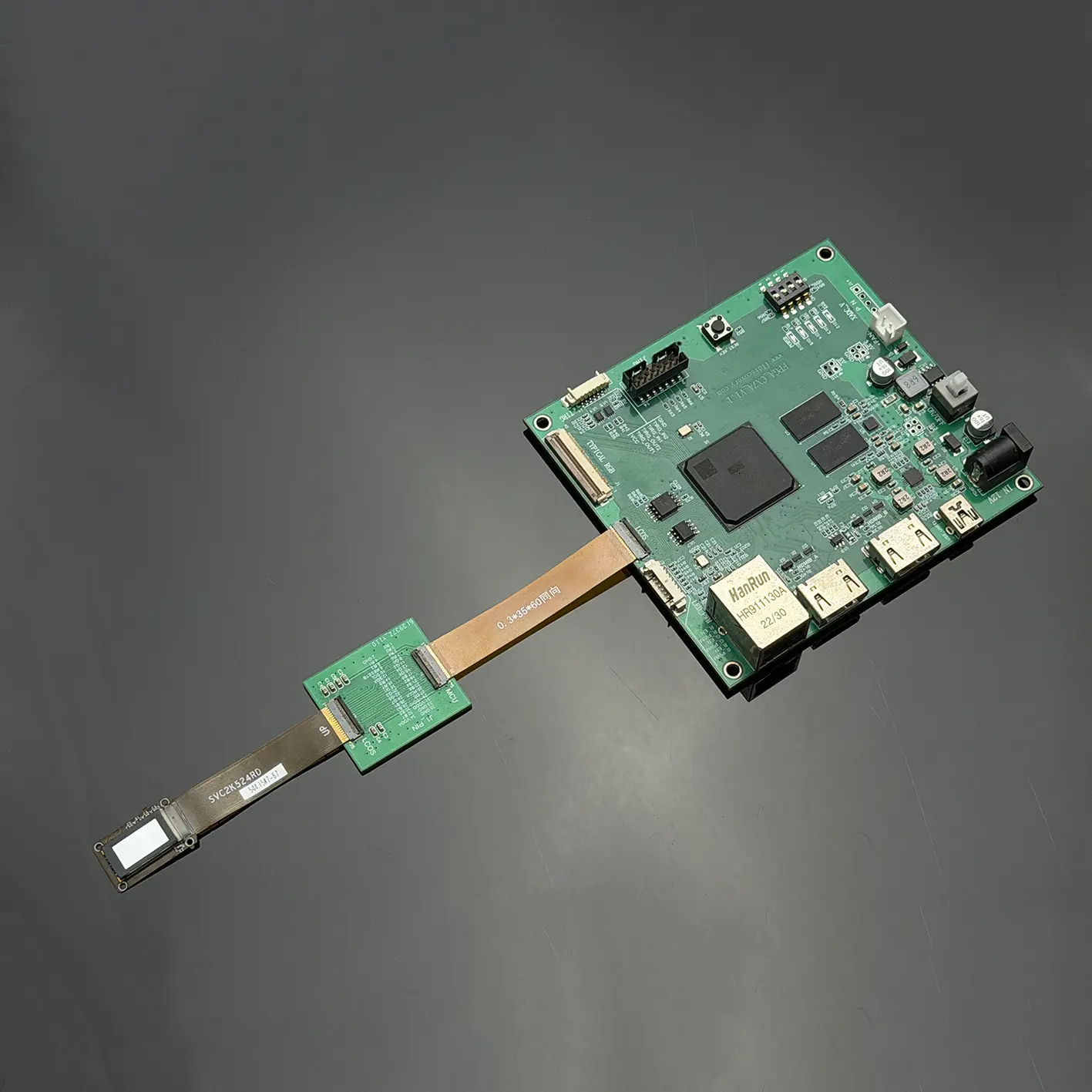
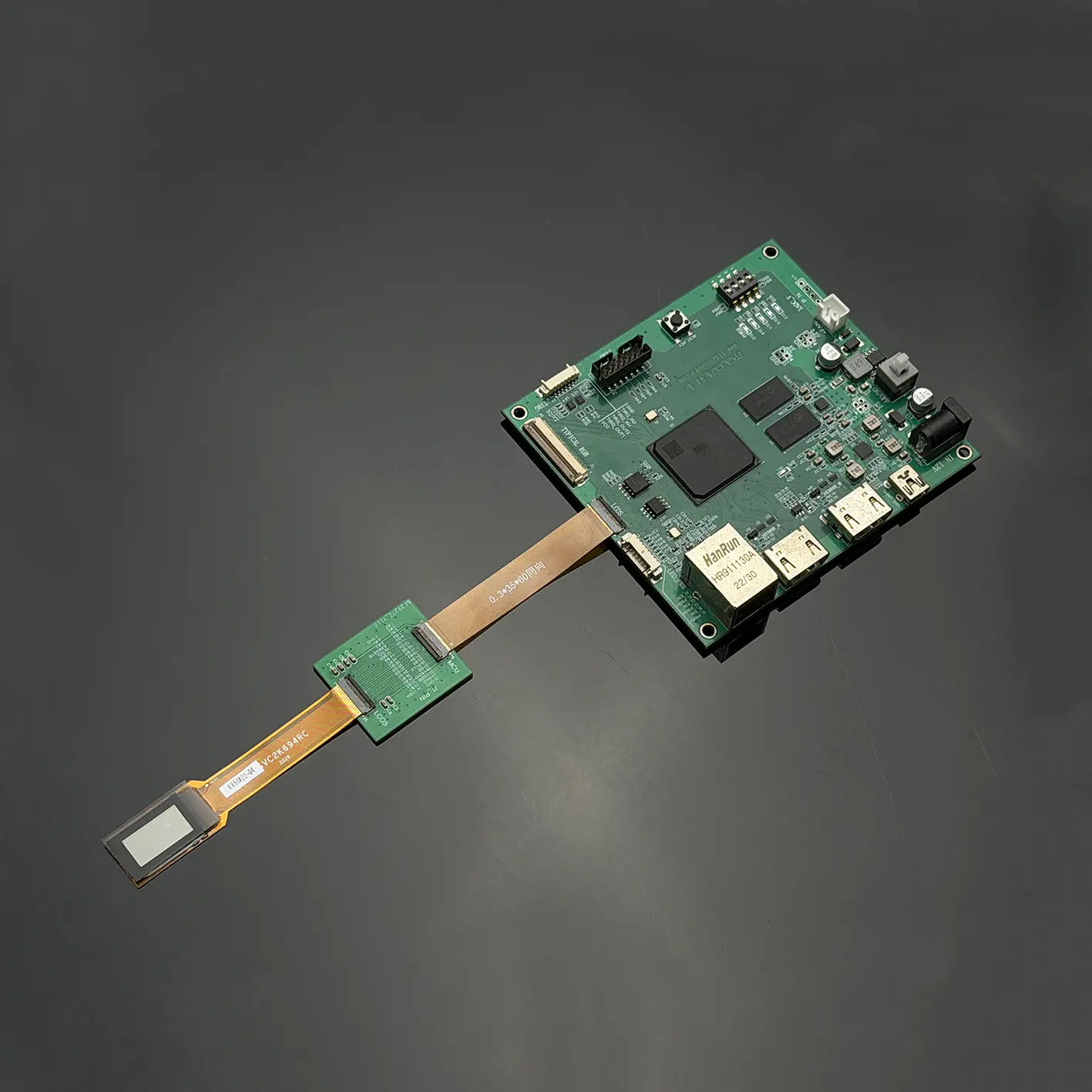
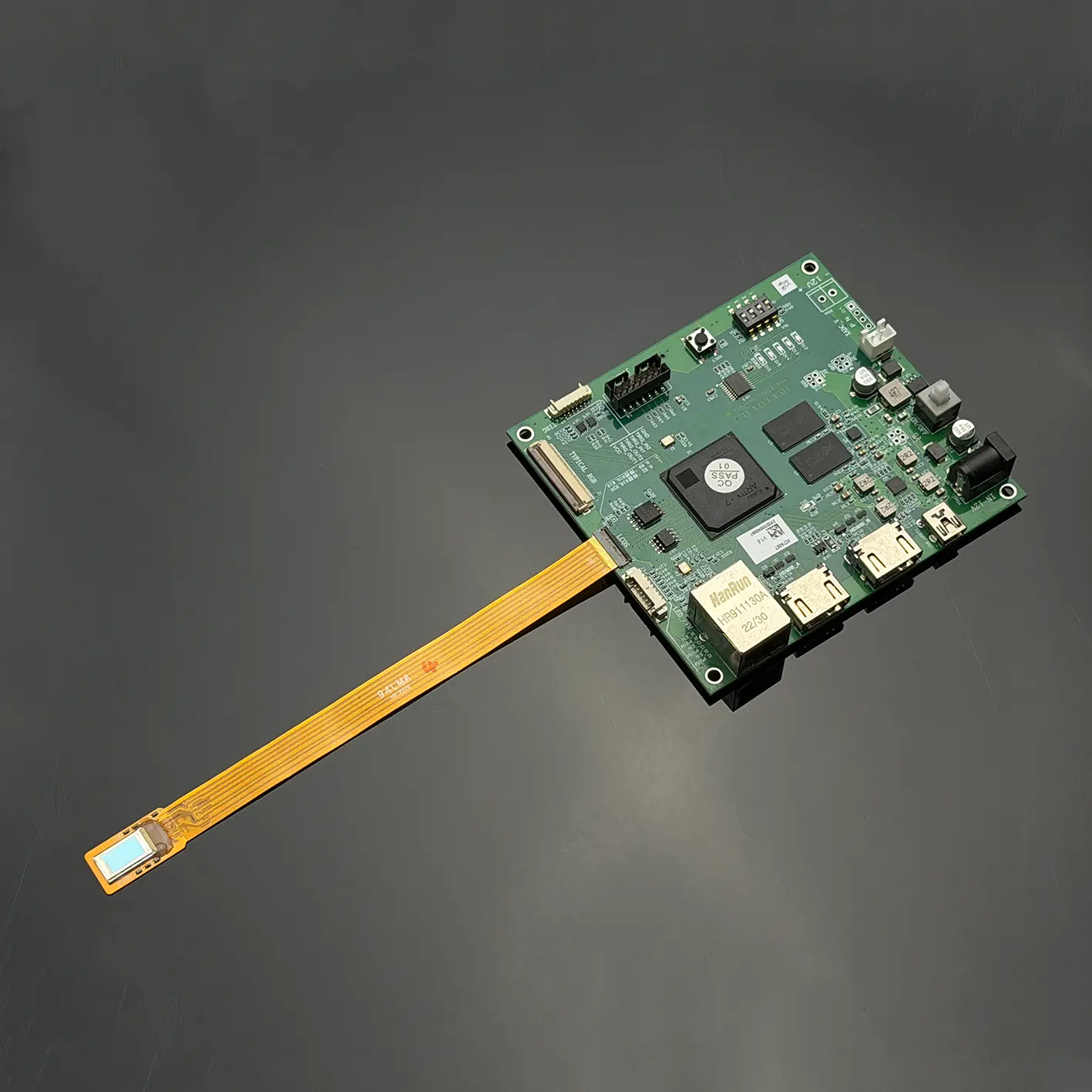
The LCOS chip is essentially a display chip that directly fabricates the liquid crystal layer onto a silicon-based CMOS integrated circuit. Due to the extremely fine processing capabilities of the silicon-based CMOS technology, LCOS can integrate a large number of pixels on a very small chip area, featuring high resolution and small size. Moreover, unlike the transmissive LCD (liquid crystal display), LCOS is a reflective device, with its reflective electrodes covering most of the pixel area (i.e., high opening rate), which can more effectively utilize the incident light and naturally has the advantage of high light efficiency. To achieve high-quality grayscale or color display, such as in applications like AR/VR, LCOS chips require complex timing control, high-speed data transmission, and real-time image processing. FPGA (Field Programmable Gate Array) is a reconfigurable hardware platform that, through hardware programming, can implement the timing control, data format conversion, and storage management functions of various video transmission protocols (such as HDMI, LVDS, MIPI, V-byone), and also meets the requirements of low latency and real-time performance. These advantages precisely meet the high requirements of LCOS for driving and control. Combining the LCOS chip with FPGA is a key technical path for achieving high-performance, compact microdisplay.